Japan Is Being Breached Faster Than it Can Count
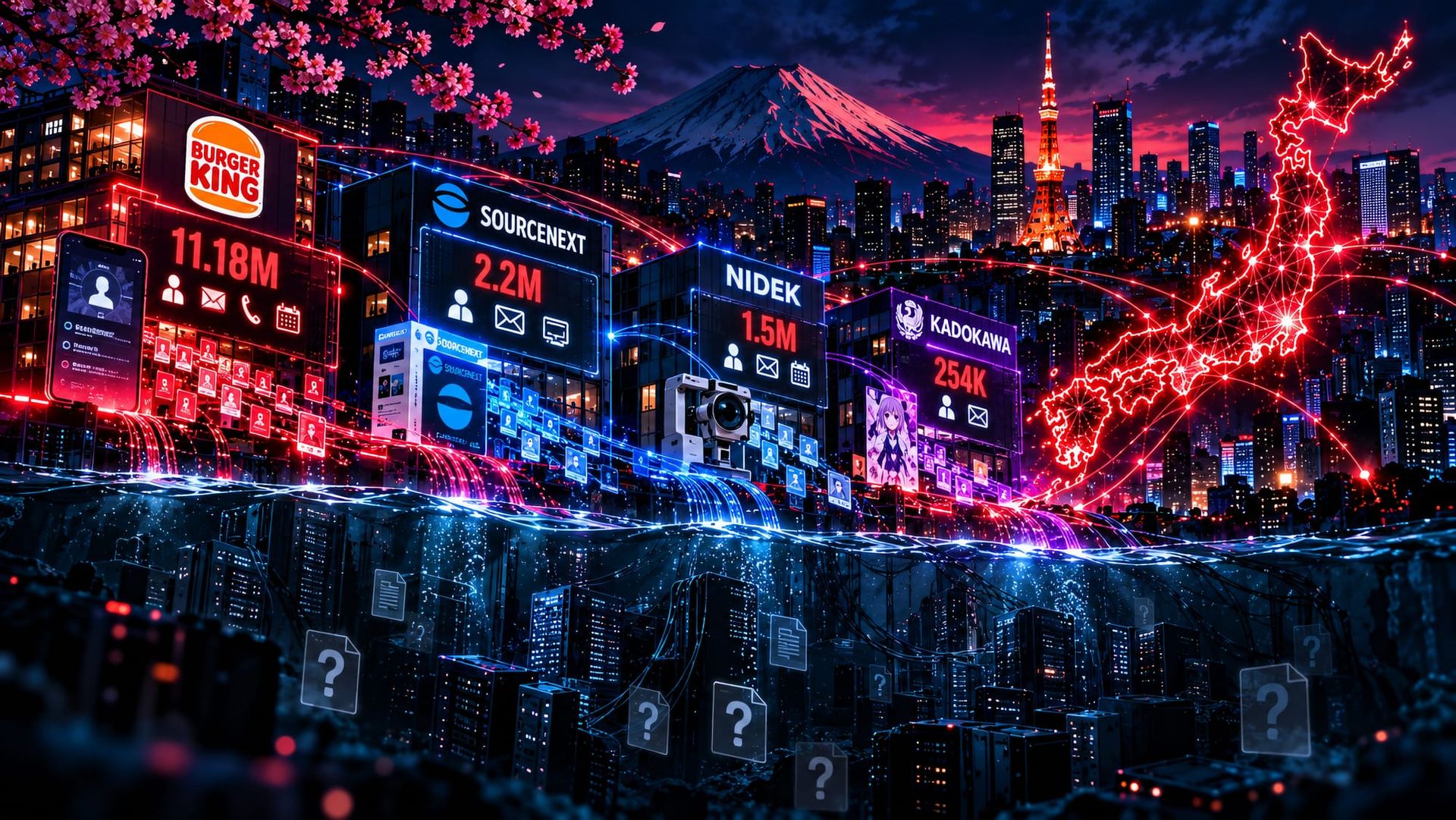
burger king japan is the latest name on a list japan cannot seem to stop increasing. on october 15 the company confirmed about 11.18 million records tied to its official app had been exposed. this comes after an outside party gained unauthorized access to the system managing member data between october 2 and october 7. burger king confirmed the leak on october 13 and disclosed it two days later.
the exposed data is the ordinary stuff to make identity fraud easy. member ids, email addresses, phone numbers, full names in kanji and kana, dates of birth, gender, and prefecture. this is one of the reasons needlessly collecting all of this personal data is a problem. cyber security is weak enough across the board that there is a real case for laws governing, and sharply limiting, how much of it companies are allowed to collect in the first place.
no payment card data was stolen, primarily because burger king japan does not hold them. there has been no confirmed password leak as well. the 11.18 million figure represents member records rather than a confirmed count of unique people. the actual number of affected individuals remains unknown at this juncture.
on its own it is a large but familiar consumer data breach. in context it is something more uncomfortable, because burger king is not arriving at this goal line alone. it is the latest entry in a run of japanese disclosures that has not let up for weeks.
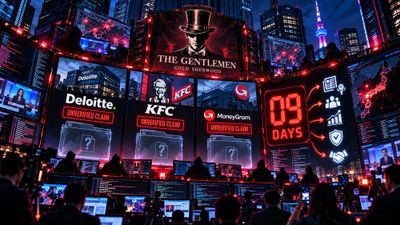
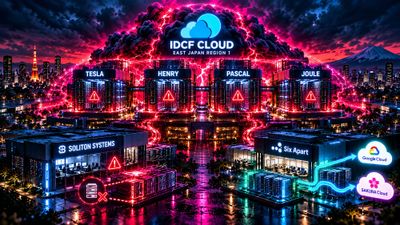
i wrote about idc frontier earlier this month, when ransomware against a single softbank group cloud provider knocked out services for 495 companies and local governments at once. i covered osaka metropolitan university, where the backups died in the same blast radius as the servers they were meant to restore. days ago it was asahi, the beverage giant, confirming personal data may have been taken while the ransomware adversary qilin claimed the attack and its breweries ran on manual ordering. then, on the same day burger king disclosed its breach, sourcenext revealed an attacker had abused its member information api from october 9 through october 13, potentially exposing as many as 22.5 million records, including email and password pairs.
five victims, five different sectors, and at least three different failure modes. a cloud provider taken down by ransomware. a university whose production systems and backups died in bed together. a manufacturer extorted and still rebuilding. a software company whose member api was abused, potentially exposing tens of millions of records. and a consumer brand whose app data was accessed days before the leak was discovered.
the distinction matters, because it is tempting to collapse all of this into one story. however, this is not a lone story. idc frontier, osaka, and asahi were operational events. systems went dark, production stopped, and recovery became the problem. sourcenext and burger king are the quieter kind. no mass outage. no public ransom note. data was simply available to someone who was not supposed to have it. the evidence does not support a single hand behind these incidents. what connects them is the country and the cadence, not a shared threat actor.
the deeper connection is not malware. it is leverage. concentration gives a destructive attacker leverage over many organizations at once. limited visibility gives a data thief leverage over time. this allows one intrusion to become millions of exposed records before defenders fully understand what happened. one turns shared infrastructure into a large blast radius. the other turns ordinary databases into marketable inventory. different attacks are exploiting different versions of the same asymmetry. the attacker needs one useful opening. the defender has to see all of them.
that asymmetry is the thing my japan cyber threat landscape report tried to name. the argument there was not that any one japanese organization is uniquely weak. it was that japan has concentrated its systems and outsourced much of its ability to watch them. the result is an environment where compromise can scale faster than awareness. burger king fits the visibility half of that shape. unauthorized access occurred between october 2 and october 7. the leak was confirmed on october 13. the public notice followed on october 15. the gap between access and awareness is where this kind of damage lives.
the report also leaned on a figure from macnica, which counted 119 publicly disclosed japanese web compromises it judged to share similar characteristics through october 6. that had already passed the 84 recorded in all of 2025. even more striking, 81 of this year’s 119 had been disclosed since july. the real total is almost certainly higher. japan requires breach reporting to the personal information protection commission above set thresholds, which is why cases like burger king and sourcenext surface at all. but incidents below those thresholds are allowed to stay out of public view. even the disclosed ones often arrive with little detail attached.
the more revealing number may be 65. of those 81 recent incidents, 65 contained too little public information for macnica to classify the likely cause. that is another kind of visibility failure. discovering an incident is not the same thing as learning from it. if one victim can say what was lost but the organizations behind it cannot learn how the attacker got there, everyone is left rediscovering the same class of weakness for themselves.
sourcenext’s abused member api fits the mobile-api pattern macnica and jpcert flag as the signature of this series, so it plausibly sits inside that count. burger king is the open question. too little is known about how its intruder got in to place it in the cluster. forcing every incident into the same campaign would make the analysis simpler, but it would also make it wrong. the signal is not one attacker moving through japan. it is how many different adversaries, tradecraft, and failure modes keep finding useful openings in the same environment.
what burger king adds, especially beside sourcenext, is a reminder the wave is not only about crippled operations. the headlines gravitate toward ransomware because the damage is visible. systems disappear, services stop, and recovery becomes a public event. consumer data breaches are quieter. they feed a different economy, where names, birthdates, phone numbers, email addresses, and account information become raw material for fraud and social engineering long after the incident itself is called resolved.
that matters even more in japan now. the language barrier that once made japanese victims expensive to target at scale is eroding. generative ai can turn ordinary stolen identity data into convincing japanese language lures, impersonation, and social engineering with far less effort than before. a database theft does not have to stop a service to create lasting damage. sometimes the breach is only the acquisition phase for everything that comes afterward.
japan is not having a bad week. it is absorbing a rhythm. the names change. cloud provider, university, brewer, software company, burger chain. the sectors have almost nothing in common except the map they sit on. the threat landscape report called this the baseline, the steady friction of a concentrated and under observed target set, and october has been a clean demonstration of it.
after 119 similar web compromises disclosed by october 6, two enormous consumer data exposures announced on the same day, and destructive failures across cloud and university infrastructure, asking what comes next starts to miss the point.
the next name matters less than how many are already on the list and do not know it yet.