

Latest Intelligence

Binance Data Sale Claim Rides the US$6.34 Billion Heist
One day after North Korea stole US$6.34 billion from Binance, a seller began advertising 335.9 million lines of its data, later under the ShinyHunters name. Binance calls it a likely scam. The data looks recycled, the private keys implausible, and the phishing it invites is already real.

Seizing North Korea's Binance Loot Starts a Fight Over Who Gets Paid
The Justice Department won court authority over US$1.2 billion stolen from Binance, but North Korea's loss is not yet Binance's gain. Three legal paths point at the same money, and the unpublished forfeiture theory decides which one wins, while US$2.8 billion sits in addresses linked to the theft.

North Korea Is Sitting on US$3 Billion Nobody Can Freeze
Binance has repaid its customers, but around US$3 billion stolen by North Korea still sits in bitcoin and ether no issuer can freeze. Automated laundering, a Polygon hard fork proposal, terrorism judgment creditors, and stalled sanctions now decide whether Pyongyang ever profits from the theft.
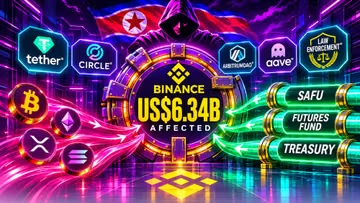
Binance Survived Because It Was Rich Not Secure
Binance replaced US$6.34 billion from its own balance sheet while billions in customer funds fled. The aftermath exposed what the breach did not. DPRK stole at a scale no insurer will cover, frozen funds moved only where centralized issuers held the switches, and attribution became a liability.

Binance Explained Its Record Heist and the Answer Is Worse
Binance explained how North Korea stole US$6.34 billion, and the explanation is worse than the silence it replaced. A fake job interview, a poisoned coding assignment, the exchange’s own AI tooling, and an Ethereum delegation feature let PRESSURE CHOLLIMA drain wallets after withdrawals were frozen.