

Latest Intelligence

Windows Reset Runs the RAT It Was Meant to Remove
The Overlord RAT hooks Reset this PC, so the cleanup meant to remove it runs it instead, and killing it crashes the machine. Talos ties UAT-12643 to North Korea at low confidence, yet every overlap is public code. I weigh three hypotheses and find an eCrime threat actor fits the evidence best.

One Optimizely Flaw Turned 178 Brand Sites Against Their Visitors
A flaw in Optimizely's sign-up flow let a threat actor plant one script on the sites of at least 178 organizations, including the BBC, CNN, and Zoom. For most of a day it swapped wallet addresses, was built to skim cards, and pushed a commercially sold iPhone exploit kit at older iPhones and iPads.

Intelligence Brief: Equinor Under Cyber Attack, an AI Vendor Breach at Uber, and Bugged Hardware Wallets
Equinor discloses an ongoing cyber attack on its IT systems, stolen Fireworks AI credentials expose license data on 149,346 people at Uber, and Trezor finds cellular implants in wallets sold by CryptoBilis. Plus GitDoor, GraphDoor, Trigram, and an alleged INC and Lynx affiliate's extradition.

Binance Data Sale Claim Rides the US$6.34 Billion Heist
One day after North Korea stole US$6.34 billion from Binance, a seller began advertising 335.9 million lines of its data, later under the ShinyHunters name. Binance calls it a likely scam. The data looks recycled, the private keys implausible, and the phishing it invites is already real.

Seizing North Korea's Binance Loot Starts a Fight Over Who Gets Paid
The Justice Department won court authority over US$1.2 billion stolen from Binance, but North Korea's loss is not yet Binance's gain. Three legal paths point at the same money, and the unpublished forfeiture theory decides which one wins, while US$2.8 billion sits in addresses linked to the theft.

Thieves Waited Months to Rob Arkéa on All Saints’ Day
On All Saints’ Day, attackers moved an estimated €118 million from Crédit Mutuel Arkéa’s own account through an unnamed provider’s platform, then cashed it out through exchange accounts and wallets active for months. The blockchain traced the escape. The bank has not explained what let it leave.

North Korea Is Sitting on US$3 Billion Nobody Can Freeze
Binance has repaid its customers, but around US$3 billion stolen by North Korea still sits in bitcoin and ether no issuer can freeze. Automated laundering, a Polygon hard fork proposal, terrorism judgment creditors, and stalled sanctions now decide whether Pyongyang ever profits from the theft.
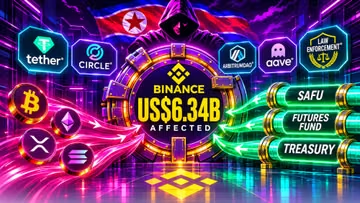
Binance Survived Because It Was Rich Not Secure
Binance replaced US$6.34 billion from its own balance sheet while billions in customer funds fled. The aftermath exposed what the breach did not. DPRK stole at a scale no insurer will cover, frozen funds moved only where centralized issuers held the switches, and attribution became a liability.

Binance Explained Its Record Heist and the Answer Is Worse
Binance explained how North Korea stole US$6.34 billion, and the explanation is worse than the silence it replaced. A fake job interview, a poisoned coding assignment, the exchange’s own AI tooling, and an Ethereum delegation feature let PRESSURE CHOLLIMA drain wallets after withdrawals were frozen.

Breaching Chainalysis Mapped the People Who Hunt Crypto Crime
Chainalysis identifies the people moving through the blockchain. A breach of its own systems reversed the lens, exposing identity data on the investigators, regulators, and compliance staff who track crypto crime. The firm calls the data non-sensitive and has not explained how the attacker got in.