

Latest Intelligence

Checkout Malware in Brazil Stole the Data Needed to Clone Cards
Malware on Windows checkout terminals across Brazil stole at least one million cards, and its card list leads with Track 2, the digits a criminal needs to clone a card. The only public account centers on a two-year-old Windows flaw and leaves Track 2 out, yet only new cards can undo this theft.
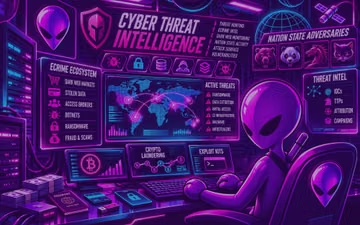
Intelligence Brief: PAN-OS Exploits, Sony Breach, and Android Botnet
A new wave of intrusions exposes weaknesses in firewall management, subscriber databases, developer platforms, and device firmware. Investigate PAN-OS exploitation, Sony's stolen credentials, GitHub Actions abuse, the XCPE botnet, an OpenSSH bypass, and DigiCert's exposure of identity documents.

Intelligence Brief: Japan’s Cyber Emergency, Refrigeration Attacks, and Crypto Theft
Japan is investing in cyber defenses while attackers interfere with medical refrigeration and cryptocurrency domains. This edition examines Android banking fraud, prolonged patch delays, Iranian hacktivism, and the U.S. battle over threat intelligence sharing, with analysis beyond the headlines.

Threat Actors Borrowed ChatGPT's Reputation to Deliver Malware
Strip this attack down and almost none of it is new. Malvertising, a fake CAPTCHA, a copy-paste PowerShell lure, and a remote access trojan at the end. One front door was new, a ChatGPT custom GPT hosted on OpenAI’s own domain. The real exploit was borrowed reputation, not the malware itself.

China Hacked the Software That Reads Every Key You Press
UNC3569, a China-nexus activity cluster, broke into Windows machines through Sogou, the input tool millions use to type Chinese characters. One crafted link, one click, and a GRAYRABBIT backdoor opened. Tencent patched it fast, but the embedded browser underneath is still ancient and defenseless.

Cozy Bear Taught an AI to Rebuild Its Malware Every Time It Is Detected
COZY BEAR used AI to watch its own malware and rebuild it the instant a security product flags it, over and over, in seconds. Detection used to impose a cost on threat actors. Now the machine just regenerates until nothing catches it, and the static-indicator layer of defense never stood a chance.

Your Car Got Hacked Because It Is a Computer Nobody Was Watching
The first known malware built for car dashboards did not go after your brakes. It hijacked the update app, turned the head unit into a proxy botnet node, and rented out your car's internet connection for ad fraud. The car was never the point. The always-online, unwatched computer inside it was.
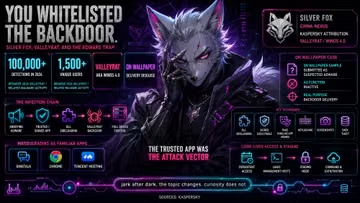
You Whitelisted the Malware Yourself
The China-nexus threat actor Silver Fox hid a full-control backdoor inside a real Chinese wallpaper app, the kind of harmless adware nobody takes seriously. That is exactly why it worked. The disguise was so convincing the ads never even ran, and the missing ads were the tell giving it away.

One Hijacked Account, One Crate, 245 Million Rust Downloads at Risk
For 86 minutes on August 20, compiling a Rust project was enough to install an infostealer, with no malicious code ever called. A threat actor hijacked the account behind arrayref, a tiny crate riding in three-quarters of all Rust environments. You never trusted arrayref. You trusted the account.