
Latest Intelligence

Binance Explained Its Record Heist and the Answer Is Worse
Binance explained how North Korea stole US$6.34 billion, and the explanation is worse than the silence it replaced. A fake job interview, a poisoned coding assignment, the exchange’s own AI tooling, and an Ethereum delegation feature let PRESSURE CHOLLIMA drain wallets after withdrawals were frozen.

China Phished the People Who Write America's AI Rules
To learn where US AI policy is heading, you do not breach a frontier lab. You phish the analysts who shape it. China-aligned TA419 did that, impersonating a former White House official and an Anthropic employee. The model tells you what America can build. The inbox tells you what it plans to do.

Microsoft's 2026 Threat Report Is Really About 2020
Microsoft's 2026 Digital Defense Report leads with autonomous AI ransomware. Read it in full and it argues the opposite. The most detected bug in the data is Zerologon, patched in 2020. Attackers log in with stolen credentials. AI did not change how you get breached, only how fast.


Attackers Borrowed ChatGPT's Reputation to Deliver Malware
Strip this attack down and almost none of it is new. Malvertising, a fake captcha, a copy-paste powershell lure, a remote access trojan at the end. Except one brick. One front door was a ChatGPT custom GPT hosted on OpenAI's own domain. The real exploit was borrowed reputation, not the malware.

Revolut Says No One Demanded a Ransom, the Internet Disagrees
A group claiming the Revolut breach demanded US$3 million in Monero, with a 24-hour countdown clock, and never once contacted Revolut directly. The demand was public from the start. That is the inversion worth noticing. The pressure was not a private negotiation. It was everyone else watching.

Nobody Broke Into Revolut, They Just Asked
Revolut handed a stranger its customers passports, selfies, and full transaction histories. Nobody broke in. A fraudster asked, using a legitimate government email domain, and Revolut said yes. No hack, no exploit, just an email and a lie, and the trust a bank extends to anything official.

McKesson Was Breached by a Phone Call, Not a Zero-Day
ShinyHunters claims 284 million patient records stolen from McKesson, which moves a third of North America's prescriptions. Read that carefully: records, not patients. McKesson confirmed a breach, not the number. The healthcare data now sits behind a login a convincing voice can open.

PLUMP SPIDER Makes the Bank Rob Itself
Most financial ecrime is theft. PLUMP SPIDER does something worse. This Brazil-based crew gets inside the bank's own software and pushes fraudulent transfers through the real payment rails, in a real customer's name, so the fraud looks exactly like a legitimate transaction.
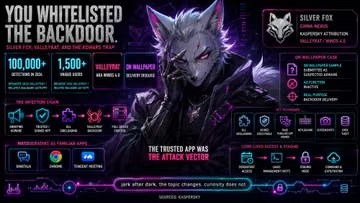
You Whitelisted the Malware Yourself
A China-nexus group hid a full-control backdoor inside a real Chinese wallpaper app, the kind of harmless adware nobody takes seriously. That is exactly why it worked. The disguise was so convincing the ads never even ran, and that was the tell that gave it away.
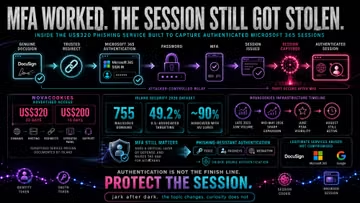
NovaCookies Phishing Kit Steals Microsoft 365 Sessions to Bypass MFA
For US$320 a month, NovaCookies rents anyone the ability to walk past your MFA. It does not steal your password. It steals your session, the proof you already logged in, after you authenticate perfectly. MFA did not fail. It just stopped being the finish line.