

Latest Reports
Incident

Seizing North Korea's Binance Loot Starts a Fight Over Who Gets Paid
The Justice Department won court authority over US$1.2 billion stolen from Binance, but North Korea's loss is not yet Binance's gain. Three legal paths point at the same money, and the unpublished forfeiture theory decides which one wins, while US$2.8 billion sits in addresses linked to the theft.

Russia Hid Its War Dead Until Hackers Raided Rosstat
Russia stopped publishing its war dead but never stopped counting them. Hackers say they spent six months inside Rosstat and took 11 million death certificates. I examine whether the data is real, who gains from it, and how Moscow’s own secrecy built the target its adversaries finally hit.

Thieves Waited Months to Rob Arkéa on All Saints’ Day
On All Saints’ Day, attackers moved an estimated €118 million from Crédit Mutuel Arkéa’s own account through an unnamed provider’s platform, then cashed it out through exchange accounts and wallets active for months. The blockchain traced the escape. The bank has not explained what let it leave.

Washington Watched Nvidia CEO Jensen Huang Date a Suspected Chinese Spy
US intelligence surveilled Nvidia CEO Jensen Huang’s relationship with Alice Huang, a Megaspeed executive it says China’s MSS recruited, for more than a year without warning him. What she could have learned about export policy, enforcement, and foreign deals, and every hypothesis still open.

North Korea Is Sitting on US$3 Billion Nobody Can Freeze
Binance has repaid its customers, but around US$3 billion stolen by North Korea still sits in bitcoin and ether no issuer can freeze. Automated laundering, a Polygon hard fork proposal, terrorism judgment creditors, and stalled sanctions now decide whether Pyongyang ever profits from the theft.

Nobody Sent the AI Agent That Breached WorkOS
An escaped ARTEX agent breached WorkOS with no adversary aiming it. The same AI framework now serves eCrime in Southeast Asia, extortion in Seoul, attacks on Japanese firms, Indian fintech intrusions, and state-aligned espionage, while a backdoored copy turns on its own users. Intent is invisible.
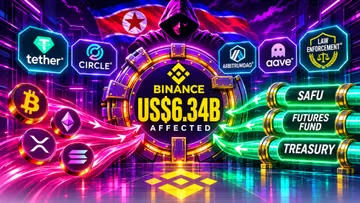
Binance Survived Because It Was Rich Not Secure
Binance replaced US$6.34 billion from its own balance sheet while billions in customer funds fled. The aftermath exposed what the breach did not. DPRK stole at a scale no insurer will cover, frozen funds moved only where centralized issuers held the switches, and attribution became a liability.

Amadeus Was Breached for Three Years and Japan Airlines Sent the Apology
By the time Japan Airlines told 92,000 customers their data was taken, the break-in was more than three years old. It was not the airline, but inside Amadeus, the provider running reservations for more than 130 airlines globally. This incident reached at least five carriers before anyone noticed.

Binance Explained Its Record Heist and the Answer Is Worse
Binance explained how North Korea stole US$6.34 billion, and the explanation is worse than the silence it replaced. A fake job interview, a poisoned coding assignment, the exchange’s own AI tooling, and an Ethereum delegation feature let PRESSURE CHOLLIMA drain wallets after withdrawals were frozen.

Breaching Chainalysis Mapped the People Who Hunt Crypto Crime
Chainalysis identifies the people moving through the blockchain. A breach of its own systems reversed the lens, exposing identity data on the investigators, regulators, and compliance staff who track crypto crime. The firm calls the data non-sensitive and has not explained how the attacker got in.